


The Allure of Risk and Reward
The casino environment is meticulously designed to entice players with the promise of thrill and excitement. One significant aspect of this allure is the psychological mechanism of risk versus reward. Players are drawn to the gamble, often betting against the odds, motivated by the anticipation of winning. This dynamic fosters a unique emotional experience where excitement and frustration coexist, making each game a compelling journey. Many players seek out no verification betting sites, finding them appealing for their accessibility and ease of use.
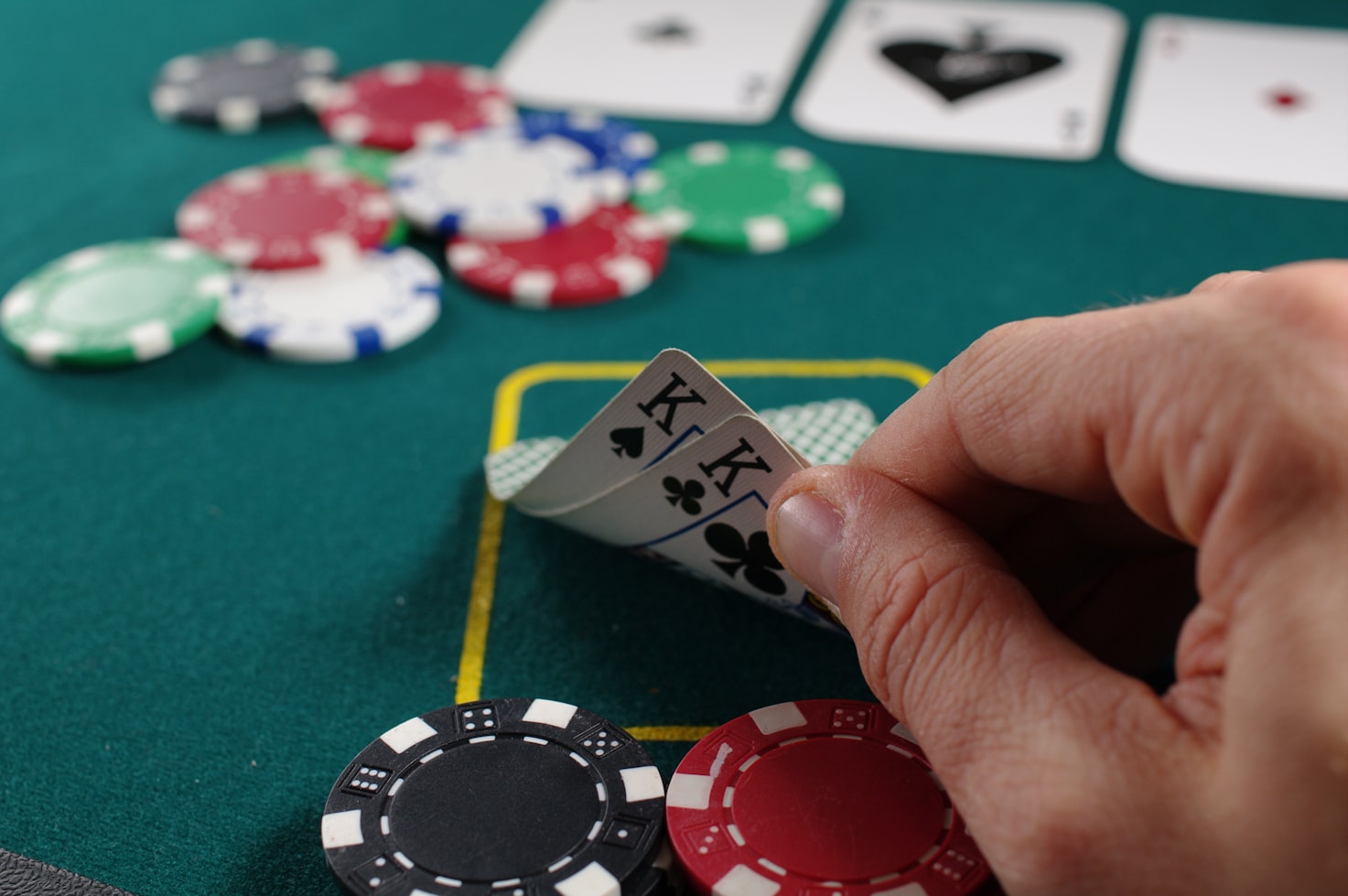
Moreover, the possibility of a significant payout can influence decision-making processes. Cognitive biases, such as the gambler’s fallacy, often lead players to believe that past outcomes affect future results. This belief can result in excessive risk-taking, as players may feel that a win is ‘due’ after a series of losses. The psychological draw of potentially high rewards acts as a powerful motivating force in a casino setting.
The Role of Environment in Player Psychology
The atmospheric elements of a casino play a crucial role in shaping player experiences and behaviors. From the bright lights and sounds of slot machines to the sophisticated architecture of the gaming floors, these factors create an immersive environment that stimulates excitement. Such stimuli can elicit emotional responses, often leading to an altered state of consciousness where players feel detached from reality.
Additionally, the layout of casinos is strategically designed to encourage prolonged play. By minimizing distractions and creating a sense of comfort, players are likely to spend more time engaging in games. This manipulation of the environment taps into psychological triggers that heighten the enjoyment of playing while simultaneously increasing the chances of continued gambling.
The Influence of Social Interactions
Social interactions within casinos also heavily influence player psychology. The presence of other players can foster a sense of community, building camaraderie and increasing the enjoyment of games. This social aspect can significantly amplify the thrill of winning and the disappointment of losing, highlighting the communal nature of gambling.
Conversely, competitive tendencies may arise, with players often comparing their success to others. This can lead to increased wagers in a bid to ‘keep up’ with peers, further entrenching individuals in the gambling experience. Such social dynamics create a complex psychological landscape where personal and communal motivations intertwine.
Addiction and Compulsive Behavior
Understanding the psychology of players in casinos also involves recognizing the risk of addiction and compulsive behavior. Many individuals are drawn into gambling for its escapism, leading some to develop unhealthy habits. The thrill associated with gambling can quickly evolve into dependency as players seek to recreate that initial high.
This path can result in significant emotional, financial, and social consequences. The psychological mechanisms at play often involve altering brain chemistry, where dopamine surges from winning create an addictive cycle. Awareness and education about responsible gambling practices are vital in addressing these issues and protecting players.

Safe Browsing in the Casino Environment
The online casino environment has introduced new dimensions to player psychology, especially concerning security and trust. Many players are concerned about the safety of their personal and financial information. Websites aim to create a secure platform that protects user data and offers a seamless gaming experience, allowing players to focus on their gameplay without fear of fraud or attack.
When exploring online casinos, it is essential for players to engage with trusted platforms that prioritize their safety. Such environments can enhance the overall experience by allowing for responsible play, free from the anxiety of potential security threats. Understanding this aspect not only helps in mitigating risks but also contributes to a more enjoyable and psychologically rewarding gaming experience.